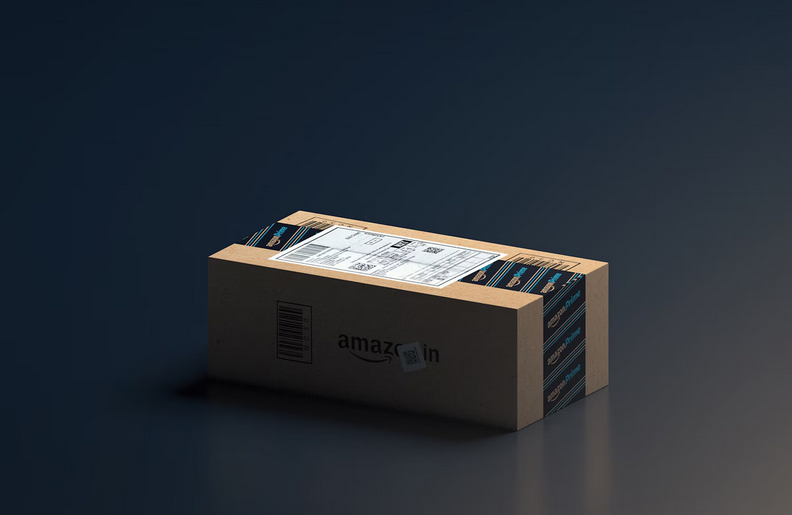
Shipping items in bulk is a crucial process for businesses that need to move large quantities of products efficiently and cost-effectively. Whether you’re a manufacturer, retailer, or distributor, understanding the essentials of bulk shipping can help ensure your goods arrive safely, on time, and within budget. Bulk shipping offers advantages like reduced per-unit costs and faster order fulfillment but also presents unique challenges. This article will cover what to expect when shipping items in bulk, including planning, packaging, choosing the right shipping method, and handling potential challenges.
Planning and Preparation
Effective bulk shipping begins with careful planning. Start by determining the quantity and nature of the items you’re shipping and their destination. This will help you decide whether to use pallets, crates, or containers. Choosing a reliable shipping partner is crucial; look for one with experience in bulk shipments and the ability to provide tracking and insurance.
Shipping Route and Method

Bulk shipments can be transported by land, sea, or air, each with its own set of benefits and drawbacks. Sea freight is often the most cost-effective for international shipments, though it takes longer. Air freight is faster but more expensive, making it suitable for urgent or high-value goods. Balancing cost, speed, and reliability is key to meeting your business needs.
Packaging and Labeling
Proper packaging is essential to protect your items during transit. Sturdy packaging materials, such as pallets or crates, should be chosen based on the size and weight of your goods. Additional protective materials like bubble wrap or foam may be necessary for fragile items. Proper labeling is equally important for smooth transit. Ensure each package is clearly labeled with the destination address, handling instructions, and contents. If your shipment includes hazardous materials, comply with all relevant regulations and include appropriate warning labels.
The Right Shipping Method

Selecting the right shipping method depends on factors such as destination, cost, and urgency. Ground transportation by truck or rail is often the most practical and cost-effective for domestic shipments. You’ll need to choose between air and sea freight for international shipments. Sea freight is ideal for large, non-urgent shipments due to its capacity and lower cost, though it has longer transit times. Air freight, though more expensive, offers faster delivery and is better suited for time-sensitive or high-value items. Collaborating with your shipping provider to select the best method will help ensure your goods arrive safely and on time.
Potential Challenges and Solutions
Bulk shipping can be challenging, such as the risk of damage during transit. Invest in high-quality packaging materials to mitigate this risk and ensure your shipping provider follows best practices. Customs clearance can also pose a challenge, particularly for international shipments. Delays can occur due to incomplete documentation or non-compliance with regulations. To avoid this, ensure all paperwork is complete, and your shipment meets the destination country’s requirements.
Fluctuating shipping rates, especially during peak seasons, can affect your budget. To manage costs, consider negotiating rates with your shipping provider in advance and locking in rates through a contract.…

 Just as the say goes, “time is money.” As a responsible organization owner, you need to ensure that you are always doing the right thing at the right time. You should not use a lot of time and energy to devote to translating documents. It is one of the reasons why most successful organization look for the services of professional translators. In doing this, be assured that you will find skilled translators that will offer flawless and accurate translation services.